The Cannon Family Charitable Trust Cross-Sector Internship Program is a signature experiential learning initiative of the Luther Hodges Scholars (LHS) Program at UNC Kenan-Flagler. The program prepares future business leaders to address complex economic and societal challenges through collaboration across business, government, academia, and the nonprofit sector.
Through curated, cohort-based summer internships, scholars work alongside corporate executives, professionals, researchers, nonprofit leaders, and community partners, tackling issues related to healthcare, economic development, housing, sustainability, education, workforce development, and community well-being. Scholars gain hands-on professional experience while strengthening the leadership, research, and cross-sector collaboration skills needed to thrive in today’s interconnected world.
Unlike traditional business internships focused primarily on technical skill-building, the LHS model combines immersive professional experience with structured reflection, mentorship, cohort learning, and leadership development designed to prepare students to navigate complexity and work effectively across sectors.
In addition to strengthening hard skills such as data analysis, financial modeling, project management, digital marketing, and financial accounting, scholars are coached to develop critical thinking, cultural competency, negotiation, active listening, and evidence-based problem-solving and ethical decision-making skills essential to effective leadership across diverse environments.
LHS scholars are selected through a highly competitive application process.
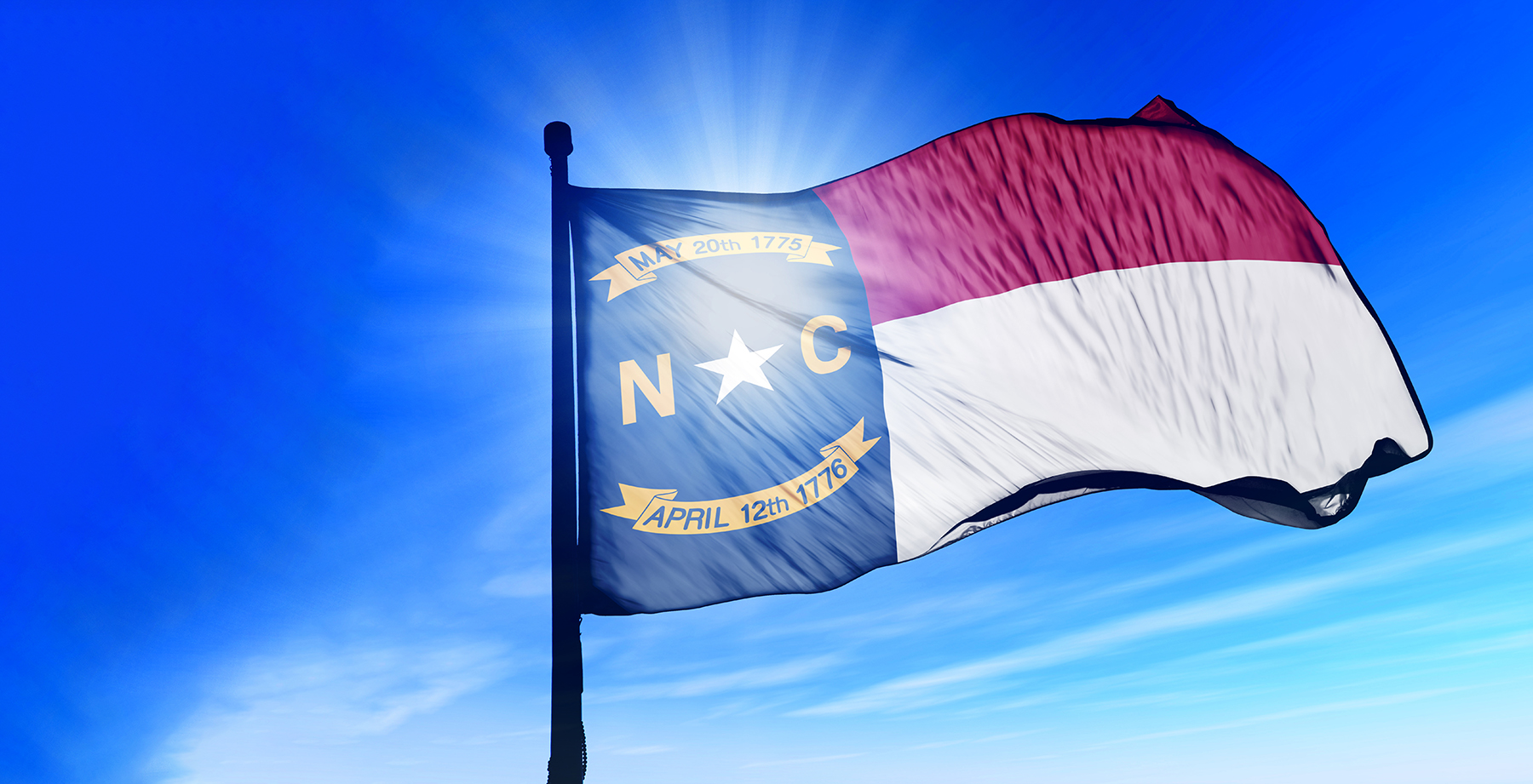
The Cannon Family Charitable Trust first partnered with LHS in 2024 through an initial investment supporting the program’s internship initiative. Since then, the relationship has evolved into a dynamic strategic partnership grounded in a shared commitment to educational opportunity, nonprofit engagement, and community impact across North Carolina.
In addition to financial support, the Trust has helped expand the internship ecosystem by connecting LHS with nonprofit organizations, civic leaders, and philanthropic and corporate partners, including the Truist Foundation. These relationships have created meaningful opportunities for scholars to engage in mission-driven work while contributing to organizations making an impact in communities across the state of North Carolina and beyond.
The Trust’s five-year commitment reflects a long-term investment in experiential learning and in the development of future leaders equipped to build partnerships, strengthen communities, and lead with purpose.
Cross-sector internships take place during the summer following scholars’ sophomore year. Placements are immersive, project-based, and intentionally designed to help students connect business knowledge with public impact.
Each fall, scholars present their work during the annual Cross-Sector Internship Showcase, where they share project outcomes, lessons learned, and reflections on working across sectors to address complex challenges.
The art market operates under substantial price uncertainty and information asymmetry. This thesis examines how pre-auction estimates shape bidder behavior and hammer price outcomes, and whether observable characteristics explain variation in estimate uncertainty, sale success, and hammer price realization.
Artificial intelligence (AI) increasingly shapes early-stage recruitment, often determining which candidates advance before human review. Although often framed as efficient and objective, these systems can reproduce or amplify labor-market inequalities by generating disparate impacts--outcome-based differences in selection rates across protected groups, regardless of intent (Barocas & Selbst, 2016).
In clinical and biological research, comparisons of treatment effects often involve rare events observed over unequal exposure times, making crude event counts misleading. This study focuses on exposure-adjusted incidence densities as a principled approach for comparing event rates while accounting for varying time at risk and stratification factors such as demographic or geographic characteristics.
Fueling (vs. depleting) employee well-being is challenging yet critical for organizations. Leaders’ ethicality or unethicality is a key contributor to employees' well-being. While research has documented associations between ethical and unethical leadership and employee well-being, the psychological process through which leader behavior influences employees is not as well understood.
Shrimp aquaculture expansion in Vietnam’s Mekong Delta has driven significant mangrove loss, as traditional extensive farming involves clearing mangrove forests for pond construction, resulting in little to no mangrove coverage and reduced coastal protection and ecosystem services.
This thesis examines how colonial legacies shape contemporary foreign policy alignment and vulnerability to U.S. economic sanctions. Using an original country-year dataset (1980–2005), it argues that extractive colonial institutions, characterized by resource concentration, weak sovereignty, and dependent economic structures, orient postcolonial states toward Russia (as measured by UN General Assembly voting), increasing their likelihood of U.S. sanctions targeting.
Scholars conducted statewide interviews and sector research at Go Global NC in Research Triangle Park, NC to develop a cross-sector training model that strengthens North Carolina’s global engagement and economic competitiveness.
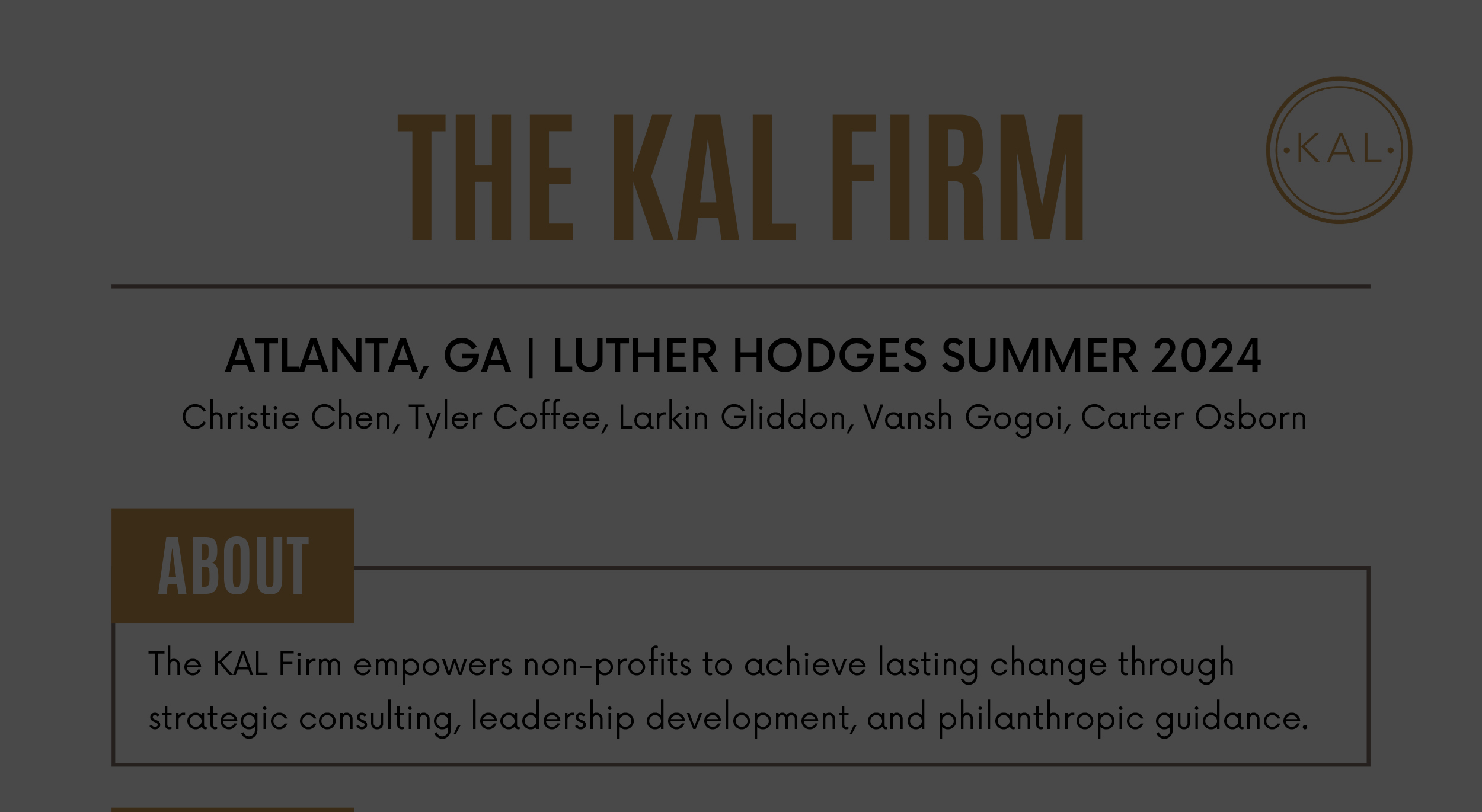
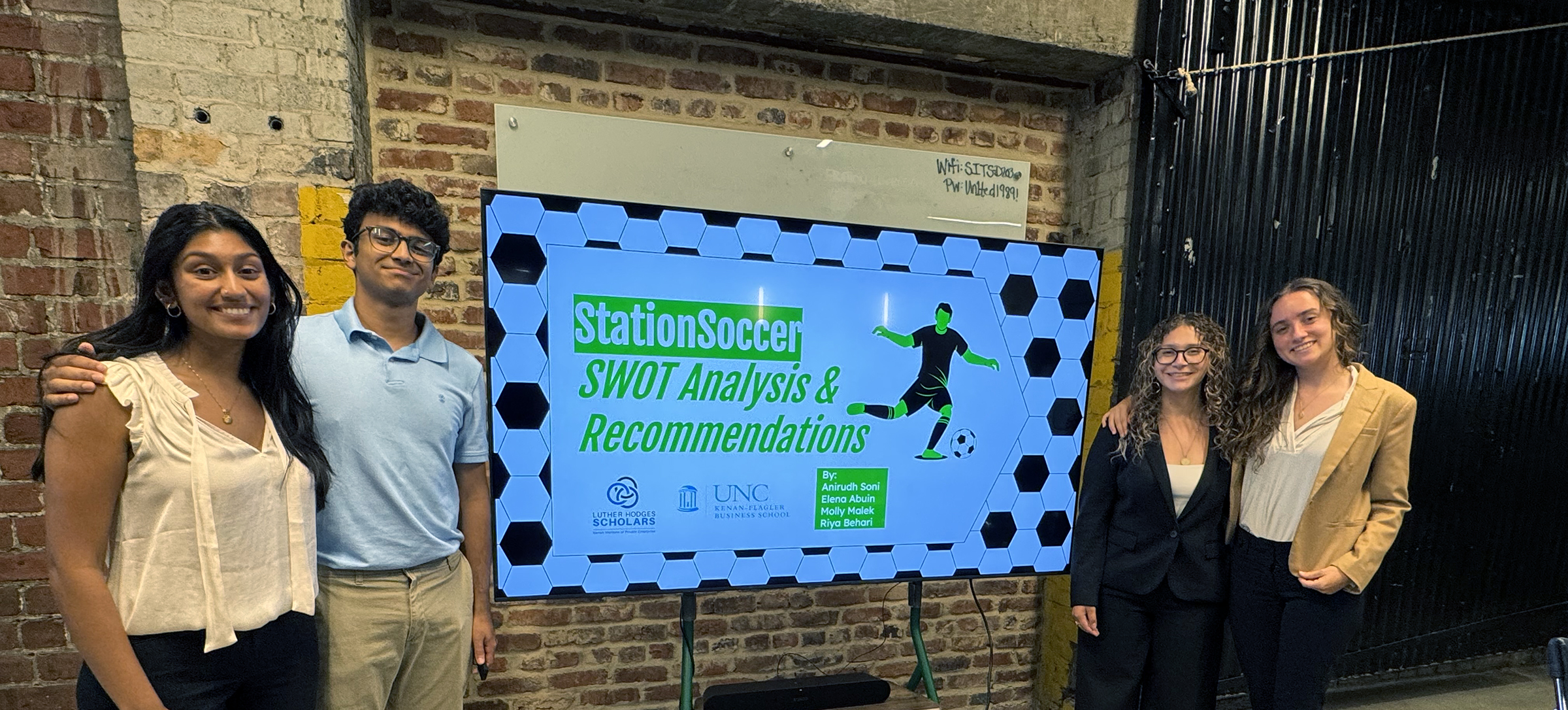
Scholars served as internal consultants at KAL Firm in Atlanta, Georgia, developing strategic solutions for Soccer in the Streets’ initiatives through research, stakeholder engagement, and operational support to enhance community impact and sustainability.
Scholars advanced inclusive development initiatives at Kenan Foundation Asia in Bangkok, Thailand by supporting strategic communications, partnership development, and digital learning projects that promote education, economic growth, and social equity across Southeast Asia.
Scholars analyzed impact data and crafted a 25th anniversary report at Latino Community Credit Union in Durham, NC, highlighting how community-based finance and nontraditional lending models advance financial inclusion and economic opportunity for underserved populations.
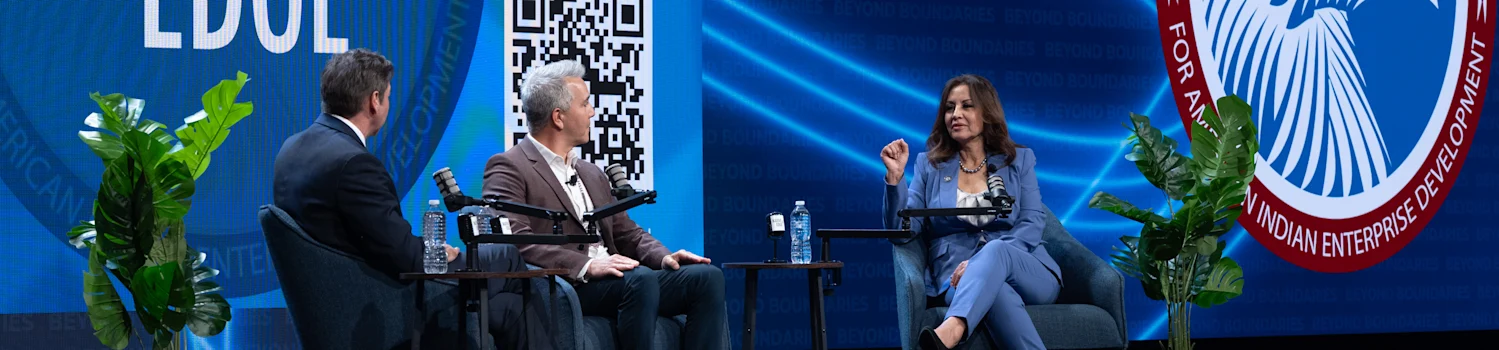
Scholars supported strategic initiatives at the National Center for American Indian Enterprise Development in Mesa, Arizona by conducting research, developing communications and grant materials, and advancing Native business growth through culturally informed, impact-driven work.
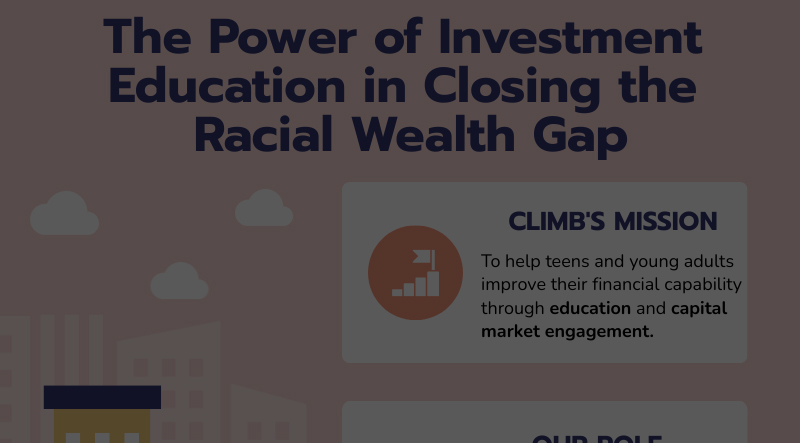
Scholars advanced strategic initiatives at CLIMB USA in Madison, Wisconsin by researching nonprofit funding models, collaborating across key workstreams, and recommending scalable revenue strategies to enhance organizational sustainability.