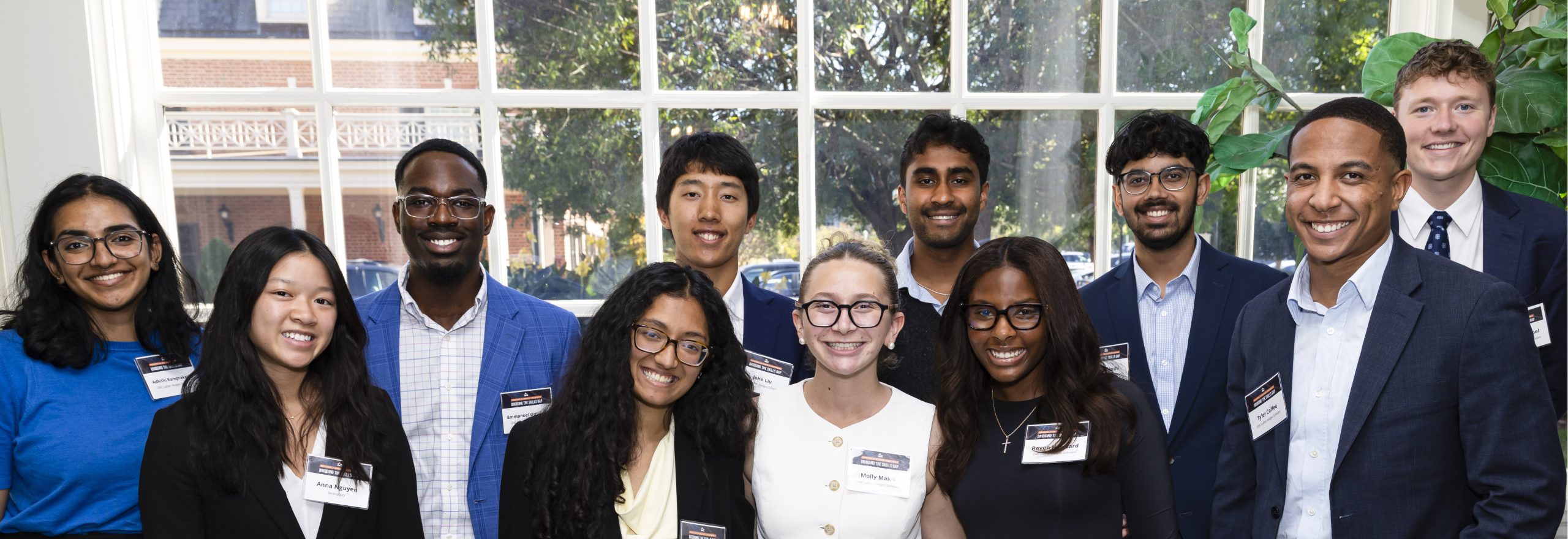


Walking into The Carolina Inn for the Kenan Institute’s Frontiers of Business conference, I was wrestling with a question that I think is on every student’s mind: in a world obsessed with skills, what is the value of a degree? The day’s theme was Bridging the Skills Gap, and I expected to hear a lot about AI and technical training. I did, but the most powerful takeaway was something far more fundamental: the urgent need to reinvest in our own humanity.
This idea came into sharp focus during a breakout session on apprenticeships. I was floored by a statistic shared by one of the panelists: the average U.S. apprentice is 26, a full decade older than in many other developed countries. It struck me that as a nation, we’re not just missing a chance to build technical proficiency; we’re forfeiting a decade of cultivating the skills that machines can’t replicate. As the conversation unfolded, it became clear the real crisis isn’t just a lack of qualified coders or mechanics. It’s a deficit in foundational interpersonal skills—accountability, thoughtful conflict resolution, and a resilient work ethic. The panel argued that these aren’t “soft skills”; they are the essential, hard-won attributes of leadership. Apprenticeships aren’t just job training programs; they are incubators for character.
This connected everything for me. The rise of AI isn’t a threat to human workers, but a challenge for us to elevate our focus to what we do best. Technology is automating routine work, freeing us up to be more creative, strategic, and empathetic leaders. The final keynote speaker, Daniel Fitzpatrick of Citizens Bank, argued that the most durable and successful business strategies are those aligned with a deeply human mission. This principle holds true whether you are leading a software company, a non-profit, or a complex hospital system. The goal is the same: to build a thriving ecosystem where people, enabled by technology, can find meaning and do their best work. It’s about building both for the economy and for society.
I left the conference not with a simple list of skills to acquire, but with a profoundly new perspective. The solution to the skills gap isn’t a binary choice between a degree and an apprenticeship, or between technical knowledge and human insight. It’s about demanding both, from our educational institutions and from ourselves. As I continue my journey at UNC and as a Luther Hodges Scholar, I’m more committed than ever to seeking out experiences that challenge me to practice these skills intentionally, in the classroom and beyond. The future demands more than just capable professionals; it demands thoughtful, adaptable, and engaged human beings.